The BizQuest Team
Published Nov 28, 2023
How to Use an SBA Loan to Buy a Business
The BizQuest Team
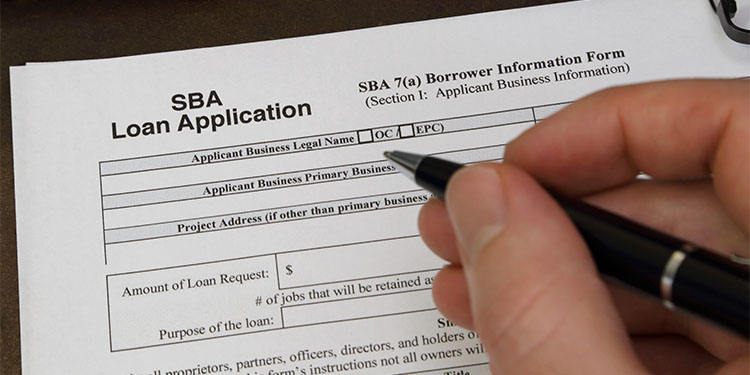
Buying an existing business can be a smart way for entrepreneurs to achieve success faster. For many, a Small Business Administration (SBA) loan is the best funding option. These loans offer low down payments, good terms, and long repayment plans. In this article, we’ll explain how the SBA loan program works, why they’re helpful, and how to use an SBA loan for a business acquisition.
What Is an SBA Loan?
SBA loans are backed by the government and can help business owners get more affordable financing compared to other loan options from financial institutions. They typically offer lower interest rates and longer repayment periods than term loans. SBA loans are especially appealing due to their guaranty: The SBA guarantees portions of the loan which reduces lender risk and makes it easier for buyers to get approved for a purchase price or line of credit.
SBA-guaranteed loans are designed to make all types of business acquisitions more accessible. The Small Business Administration guarantees a portion of the loan—typically up to 85%—and encourages banks and other preferred lenders to extend financing to qualified buyers.
Entrepreneurs can use these small business loans for a variety of business purposes: to buy an existing business, invest in a franchise, pursue a startup, or even buy out a partner during a change of ownership. Loan amounts can go up to $5 million and can cover purchase costs, working capital, and related expenses.
With lower risk for lenders and borrower-friendly terms, SBA financing is an attractive and practical option for many small business owners.
When to Start the SBA Loan Process
Begin exploring SBA financing after you've:
- Identified target businesses that match your criteria
- Had initial conversations with sellers
- Reviewed basic financial documentation
- But before making a formal offer or signing a letter of intent
This timing allows you to:
- Know your likely approval amount
- Make stronger offers with pre-qualification in hand
- Move quickly when you find the right business
- Avoid wasting time on businesses beyond your qualification range
Benefits of Using SBA Loans to Buy a Business
- Lower Down Payment: A smaller down payment frees up cash for other business needs.
- Competitive Interest Rates: Borrowers benefit from lower and more stable interest rates compared to other financing options, making them a good option for refinancing.
- Extended Repayment Terms: SBA lenders offer repayment terms of up to 10 years or more, so monthly payments are smaller and more manageable.
- Government Guarantee: SBA underwriting guarantees 85% of loans up to $150,000 and 75% above that amount.
- Accessibility: These loans are generally easier to qualify for than conventional bank loans, especially for newer entrepreneurs.
- Alternative Option—SBA Express Loans: For those that need faster funding, SBA Express loans are approved and paid quicker, but the loan amounts are slightly smaller.
Common SBA Loan Requirements for Business Acquisitions
When using an SBA loan to buy a business, lenders require specific documentation to verify the business's value and legal standing:
- Professional Business Valuation Report: An independent assessment of the business's worth
- Proof of Ownership: Current business registration, articles of incorporation, and ownership transfer documents
- Active Licenses and Permits: All required local, state, and federal business licenses
- Property Documents: Commercial lease agreements and assignment permissions
- Key Contracts: Employee agreements, vendor contracts, and customer agreements
Eligibility Requirements for SBA Loans
To qualify for an SBA loan, the company must be a for-profit business, based in the U.S., and meet the SBA size standards. For acquisitions, the business to be purchased must be running, financially stable, and have records to prove profitability. Borrowers should have a strong credit history, at least a 10% down payment, and enough cash flow to make loan repayments. Lenders also look for relevant industry experience and a clear plan for making the business profitable.
Financial and Documentation Requirements
As part of standard due diligence, lenders need proof of the borrower’s repayment ability. Key requirements include:
- Good Credit Score: A personal credit score of 690+ is generally required.
- Business Stability: Lenders often favor businesses with 2+ years of operational history.
- Financial Statements: Include profit and loss statements, balance sheets, and cash flow projections.
- Collateral and Guarantees: Personal assets may be used as collateral, and personal guarantees are usually mandatory.
- Documentation: Expect to provide tax returns, business licenses, lease agreements, and a detailed business plan.
Step-by-Step Guide to the SBA Loan Application Process
- Find an SBA Lender: Research SBA-approved banks, credit unions, or online lenders. Those experienced in financing new business acquisitions will be best able to help you navigate the loan application process.
- Prepare Your Application: Gather personal and business tax returns, financial statements, and a detailed business plan. Remember to include cash flow forecasts to demonstrate repayment ability.
- Submit the Application: Make sure the application is complete to avoid delays.
- Wait for Approval: The process can take 30-90 days depending on the lender and loan type. Respond quickly to any requests for additional information.
- Choose the Right Lender: Compare terms, interest rates, and customer reviews, because not all SBA lenders are the same. Ideally, select a lender that’s experienced with getting business financing for a venture like yours.
Additional Steps in the SBA Loan Process
- Pre-Qualification Review: Submit preliminary documentation for initial approval assessment
- Insurance Coverage: Obtain required business insurance policies
- Post-Approval Process: Complete closing requirements within 60-90 days, including:
- Final business valuation review
- Environmental studies (if real estate involved)
- Uniform Commercial Code searches to check for existing claims against business assets
- Assignment of contracts and leases
Alternative Financing and Next Steps
If an SBA loan isn’t the right fit, consider alternative financing options like:
- Bank Loans: Conventional loans may have different eligibility requirements.
- Seller Financing: The seller finances part of the purchase price.
- Online Lenders: Faster approval, but often higher interest rates.
Ready to Start Your Business Search? Browse thousands of businesses for sale on BizQuest. Filter by industry, location, and price range to find opportunities that match your SBA loan qualifications.